Opinion Piece: Shipping’s green transition has a data problem, but the solution is within reach.
Shipping companies are investing heavily in cleaner fuels, new engine technologies and energy-efficiency measures. But without reliable emissions data, how can shipowners know whether these investments deliver the expected results? Accurate measurement is becoming essential, not only for regulatory compliance, but also for identifying opportunities to reduce operating costs.
The maritime industry is undergoing a major transformation. Across the global fleet, shipowners are investing in technologies and operational improvements to reduce fuel consumption and greenhouse gas emissions.
However, there is a fundamental challenge.
While shipping companies are spending substantial amounts on decarbonization, many still lack the data needed to determine the actual environmental impact of their investments. Emissions are often assessed through calculations, standardized emission factors and assumptions rather than continuous measurements of what ships actually emit.
These methods remain important for regulatory reporting, but they do not necessarily reflect the performance of individual engines under different operating conditions. For shipowners, this uncertainty can have both environmental and financial consequences.
“The shipping industry is making important progress in the green transition, but we need to pay much more attention to documenting the actual results. Although shipowners are investing in cleaner fuels and new technologies, without accurate measurements, they cannot always determine whether these investments are achieving the expected reductions. We need to move from assumptions to actual data.”
René B. Christensen, CEO, Green Instruments
Increasing regulatory and financial pressure
The need for accurate emissions data is becoming increasingly important as international and European regulations impose stricter requirements on shipping.
The IMO’s Carbon Intensity Indicator (CII) requires ships to monitor their carbon efficiency, while the EU Emissions Trading System (EU ETS) puts a price on greenhouse gas emissions. FuelEU Maritime, meanwhile, requires a gradual reduction in the greenhouse gas intensity of energy used onboard, with financial consequences for non-compliance.
As a result, emissions are becoming an increasingly important economic consideration for shipowners. Reducing emissions can lower a shipping company’s EU ETS allowance costs, while meeting FuelEU Maritime requirements can help avoid non-compliance penalties.
Accurate emissions data can also provide shipowners with better insight into vessel performance and help identify opportunities to reduce operating costs. For LNG-powered vessels, this becomes particularly relevant when looking at methane slip.
Under FuelEU Maritime, verified measurements of actual methane slip can, subject to the applicable measurement and certification requirements, be used instead of standard emission factors. When verified actual emissions are lower than the applicable default values, this may improve the vessel’s compliance position and potentially reduce associated costs. At the same time, reducing fuel consumption remains one of the most direct ways to achieve operational savings.
“Compliance is increasingly becoming an economic issue for shipowners. If they can reduce fuel consumption and emissions, they can achieve savings on both fuel and regulatory costs. And if they can document that their actual emissions are lower than the standard assumptions, that may also improve their compliance position. Accurate data is therefore not just an environmental tool. It can have a direct impact on the bottom line.”
René B. Christensen, CEO, Green Instruments
From emissions data to operational improvements
The potential value of continuous emissions monitoring extends beyond regulatory compliance.
By combining real-time emissions measurements with data on fuel consumption and engine performance, shipping companies can gain a more detailed understanding of how their vessels operate. Emissions and fuel efficiency can vary according to engine load, operating conditions and the performance of individual engines.
Continuous monitoring makes it possible to identify inefficient operating conditions, compare engine performance and determine where operational adjustments could deliver improvements. For LNG-powered vessels, this is particularly important because methane slip can vary considerably depending on engine type and operating conditions.
What six months of measurement revealed
Green Instruments has demonstrated this potential through a collaboration with MOL Tankers.
During a six-month measurement project onboard an LNG-powered vessel, continuous monitoring identified operating conditions in which CO₂-equivalent emissions could be reduced by up to 9.7%.
The measurements also provided valuable information about engine performance, including differences in fuel consumption between individual engines. These insights can help shipowners identify opportunities to optimize engine operation and reduce both fuel consumption and emissions without necessarily making major investments in new equipment.
“An important advantage of continuous measurement is that shipowners can see how their engines perform under actual operating conditions. They can identify where fuel is being used inefficiently and where emissions can be reduced. Instead of relying solely on theoretical calculations, they have reliable information that can be used to make operational improvements. That is where emissions monitoring can create real value.”
René B. Christensen, CEO, Green Instruments
From assumptions to actual data
Monitoring alone does not reduce emissions, nor does it replace the independent verification required under applicable regulations. What it can provide is a stronger data foundation for identifying effective measures, evaluating investments and documenting improvements.
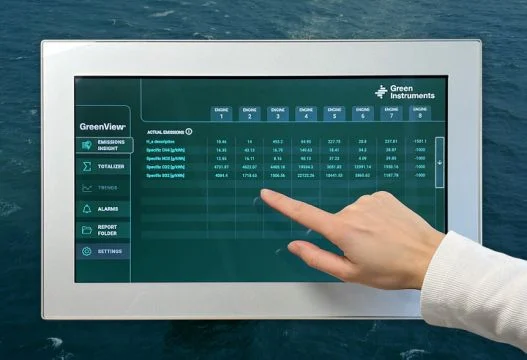
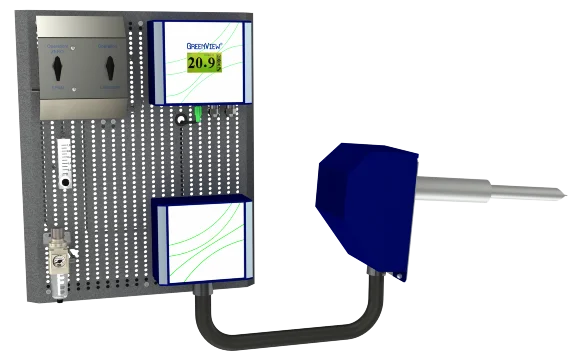
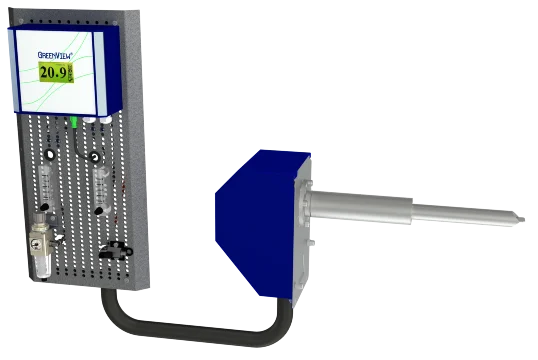
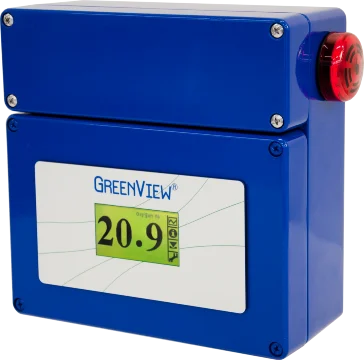
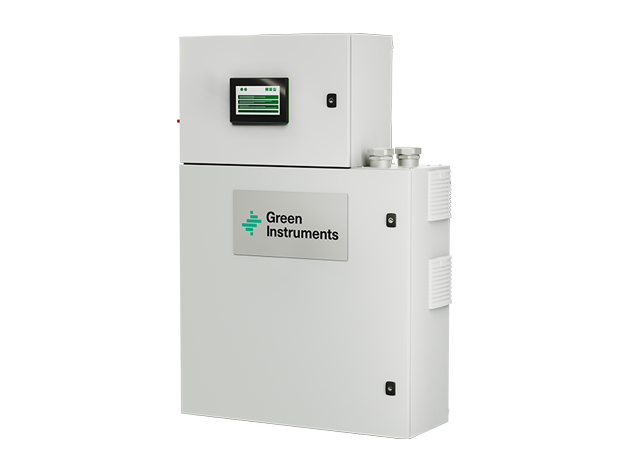
Green Instruments’ G7200 Multi Gas Monitoring System enables continuous monitoring of emissions, including methane, while the GreenView Emissions Insight and reporting platform combines emissions measurements with relevant engine and fuel data. Together, they can provide shipowners with detailed insights into emissions and operational performance, supporting both documentation and opportunities for improved energy efficiency.
As shipping continues its transition towards lower emissions, reliable data is becoming increasingly valuable. Ultimately, the success of shipping’s green transition will not be determined solely by how much the industry invests in new fuels and technologies.
It will also depend on how effectively those investments translate into measurable reductions in fuel consumption and greenhouse gas emissions.
Ready to move from assumptions to actual emissions data?
Discover how continuous emissions monitoring can provide deeper insight into your vessel’s actual performance.
Explore Green Instruments’ emissions monitoring solutions →
This article was originally published by Safety4Sea. Read full article here.