Why we must act: Methane’s maritime impact and solutions
In 2021, more than 100 countries pledged to cut methane emissions by 30% by 2030 when measured against the levels of 2020. This commitment is vital because methane is a highly potent greenhouse gas, and taking action here can yield significant outcomes – but are we doing enough?
The urgent need for methane reduction:
Methane, while relatively short-lived in the atmosphere (with a lifespan of approximately 12 years), possesses an astonishing ability to trap heat—more than 80 times as potent as carbon dioxide (CO2). By actively addressing methane emissions, we have a powerful tool at our disposal to slow down the pace of global warming.
The role of the shipping industry:
The shipping industry bears a considerable share of methane emissions. According to the “Global Methane Budget Report” available on the official website of the “Global Carbon Project” (www.globalcarbonproject.org), the maritime sector accounts for about 2% of global anthropogenic methane emissions, which translates to roughly 15 million metric tons of methane per year.
While the International Maritime Organization (IMO) has traditionally concentrated its efforts on regulating carbon dioxide emissions from ships, it is equally imperative to address methane emissions. The European Union’s Emission Trading System (EU ETS) has taken a comprehensive stance, encompassing measures to combat methane emissions as well. Effective from January 1, 2024, vessels entering or leaving EU/EEA ports are required to report their emissions of new greenhouse gases, including methane (CH4). Furthermore, by 2025, shipping companies must furnish verified company emissions reports to the relevant authorities. These developments signify substantial strides toward controlling methane emissions within the maritime sector.

Taking action in the shipping sector:
Having explored the shipping industry’s role in methane emissions, it’s evident that action is necessary. Reducing methane emissions is essential not only for climate action but also for air quality. Methane is a precursor to ground-level ozone, which can harm human health and ecosystems.
The maritime sector can take practical steps to reduce methane emissions, such as enhancing fuel efficiency, adopting cleaner fuel options with lower methane content, and implementing rigorous maintenance and inspection protocols to prevent leaks.
Methanol, a potential future fuel for ships, can inadvertently produce methane emissions during combustion under certain conditions. Careful consideration is needed when selecting and using alternative fuels in the maritime industry.
Why use multi-gas monitoring systems for ships:
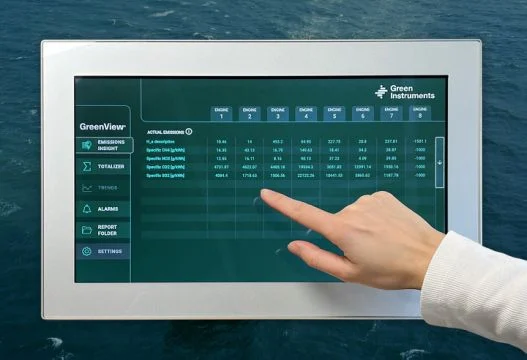
Beyond taking concrete actions in the shipping sector, we must also consider the tools that will help us chart a more sustainable course. Looking ahead, it becomes increasingly vital to monitor not only carbon dioxide (CO2) emissions but also methane (CH4) and various other gases. Multi-gas monitoring systems empower ships to measure and track a spectrum of greenhouse gases, encompassing both CO2 and CH4. By actively monitoring methane emissions in tandem with CO2, the shipping industry can gain a more comprehensive understanding of its environmental impact, making a more effective contribution to global climate objectives.
Real-time data from these monitoring systems helps ship operators identify potential methane emission sources, such as during fuel combustion or from potential leaks, allowing them to proactively reduce methane emissions, enhance fuel efficiency, and adopt cleaner technologies.
In summary, concrete figures and facts underscore the significance of addressing methane emissions in the maritime sector. The commitment to reducing methane emissions by 30% by 2030 is not only commendable but also supported by initiatives like the EU ETS. With the maritime sector contributing approximately 15 million metric tons of methane annually, taking action here can have a substantial impact on mitigating the effects of climate change. Collaboration and proactive measures within the shipping industry are vital to achieving these goals and ensuring a greener, more sustainable future for all.