12/12/2023

12/12/2023 Why implementing the “extinction-minus scattering” method for precise black carbon assessment in shipping is a good idea!


Imagine an Arctic where the ice is no longer white, but stained with soot and grime. How long before this becomes our reality if we ignore the escalating black carbon emissions from international shipping?

In the quest to combat climate change, a pressing challenge is reducing black carbon (BC) emissions, especially from international shipping in the Arctic. This region, facing significant environmental threats, underscores the urgency of adopting advanced control measurement techniques, like the extinction-minus scattering method, for accurate assessment and mitigation of these emissions.

Black Carbon: A potent threat to the Arctic

The Arctic is significantly affected by black carbon emissions. Black Carbon, a byproduct of incomplete combustion, settles on ice and snow, accelerating melting due to decreased surface albedo. This not only contributes to rising sea levels but also exacerbates global warming, with the Arctic warming at least twice as fast as the global average.

The impact of shipping emissions

The impact of shipping emissions on the environment is becoming increasingly significant. Black carbon is worrying, as its warming impact over a 20-year period is 460-1,500 times stronger than CO2. As ice melts, new shipping routes are opening in the Arctic, potentially increasing black carbon emissions in this sensitive region. The emissions from just one cruise ship in a day can equal that of a million cars, contributing to approximately 7-8% of total Arctic black carbon emissions. The International Council on Clean Transportation (ICCT) forecasts a worrying 46% increase in BC emissions by 2025, if current trends continue. This alarming trend underscores the need for control measures including advanced control measurement methods, such as the extinction-minus scattering technique, for accurate emission assessment and mitigation.

Extinction-minus scattering: A promising approach

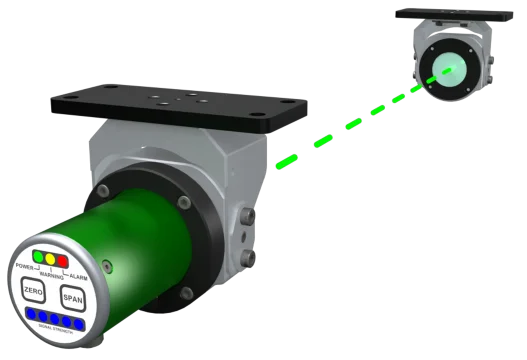
The extinction-minus scattering method precisely differentiate between light absorbed by black carbon and light scattered by other particles. This distinction is critical in the complex atmospheric conditions of the Arctic and amidst the diverse particulate composition of ship exhaust. Uniquely designed to withstand harsh environments, this method is less affected by high humidity and can endure the extreme temperatures found in ship exhaust, ensuring reliable data for environmental assessment and policy-making. Such precise advance measurement techniques are crucial for regulatory compliance, playing a key role in enforcing environmental regulations and developing targeted strategies to reduce black carbon emissions from maritime sources.

Conclusion

Accurately measuring black carbon emissions in the Arctic is crucial, not just for science, but for the environment’s health. Adopting advanced techniques like extinction-minus scattering is critical in this fight, offering  an accurate understanding of emissions and leading to more effective environmental policies. This approach is vital in our collective effort to preserve the Arctic, tackle global warming, and ensure a sustainable future. The current situation demands prompt and decisive actions to maintain the delicate balance of Earth’s climate.

Icon illustrating globe, sun and thermometer on a black background
"Black carbon, warming the Arctic at rates 460-1,500 times stronger than CO2, demands advanced solutions like the extinction-minus scattering method for precise and effective mitigation"
G3631 Ambient Oxygen Analyzer by Green Instruments measures the content of oxygen
Product

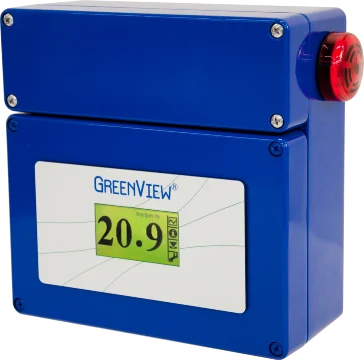
G3631 Ambient Oxygen Analyzer

The G3631 Ambient Oxygen Analyzer measures the content of oxygen in the atmosphere in e.g. engine rooms or other places there is a need for monitoring the oxygen level. By measuring the content of oxygen, the analyzer helps minimize several risk factors.

Read more
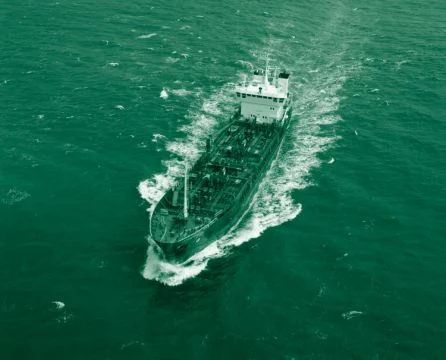
Commercial vessel in green ocean
Product

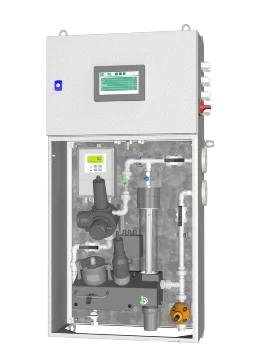
Black Carbon Monitoring System

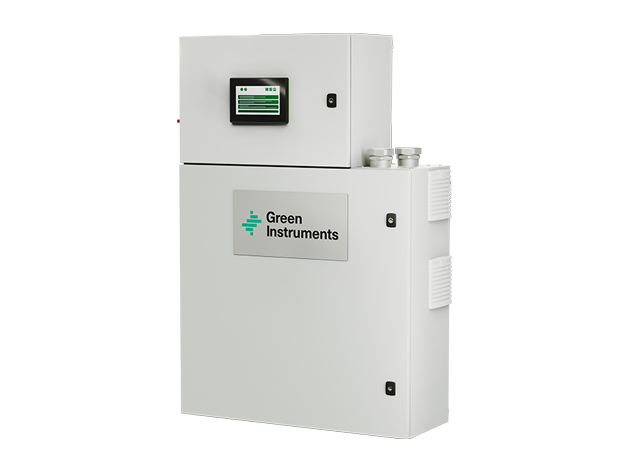
The G8100 is purpose-built for the demanding conditions of maritime operations. The system ensures reliable performance at sea while supporting compliance, efficiency, and environmental stewardship.

Read more
G3621 Stack Gas Oxygen Analyzing System by Green Instruments
Product

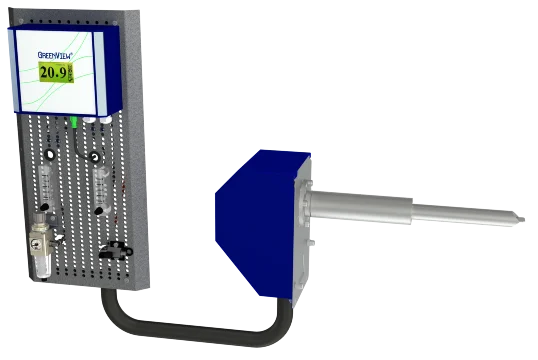
G3621 Stack Gas Oxygen Analyzing System

The G3621 Stack Gas Oxygen Analyzing System is developed for accurate oxygen measurements in several marine applications. It is installed directly in the stack and operates under actual exhaust gas conditions, which provides reliable and real-time data.

Read more
G3621 Inert Gas Oxygen Analyzing System by Green Instruments
Product

G360x Inert Gas Oxygen Analyzing System

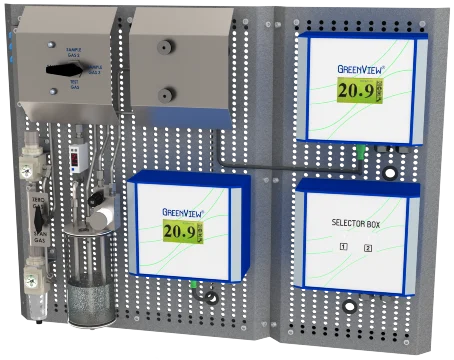
The G360x Inert Gas Monitoring System is designed for accurate gas monitoring and control. With its simple and robust design, it measures the content of oxygen in inert gas, thus preventing combustible atmospheres.

Read more
G26 Ambient Oil Mist Detector is a safety monitoring system by Green Instruments
Product

G26 Ambient Oil Mist Detector (Ex)

The G26 Ambient Oil Mist Detector is available as an ATEX/IECEx certified version. G26 Ex is designed to respond to any minor or major oil mist formation, which helps prevent subsequent hazards such as fires and explosions.

Read more
G26 Ambient Oil Mist Detector is a safety monitoring system by Green Instruments
Product

G26 Ambient Oil Mist Detector

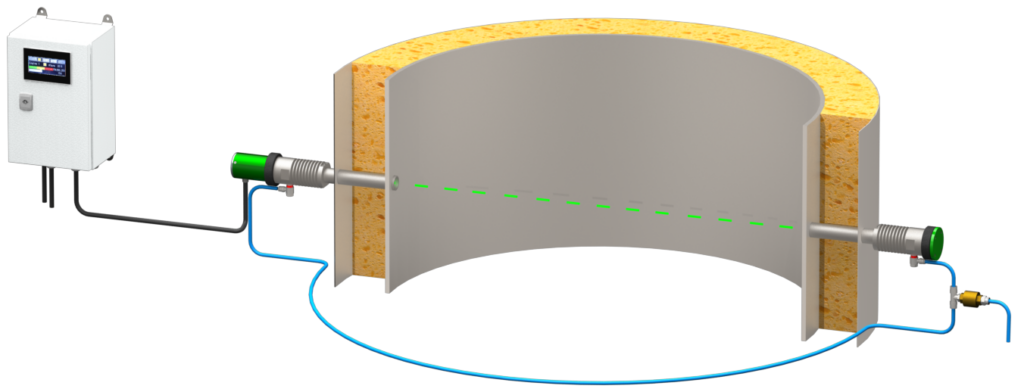
The G26 Ambient Oil Mist Detector is a reliable opacity meter designed to detect all types of oil mist in both open and narrow spaces. With its high accuracy and green laser technology, the oil mist detector helps avoid fires and thereby protects lives, the environment, and assets.

Read more
G6200 Water Monitoring System_WMS by Green Instruments
Product

G6200 Water Monitoring System

The G6200 Water Monitoring System is designed for continuous in-situ water monitoring and provides reliable and highly accurate measurements for exhaust gas cleaning. It has a robust design, is simple to install, and covers a broad temperature range, pressure, and flow.

Read more
GreenView Emissions Insight is a live emissions measurement system by Green Instruments
Product

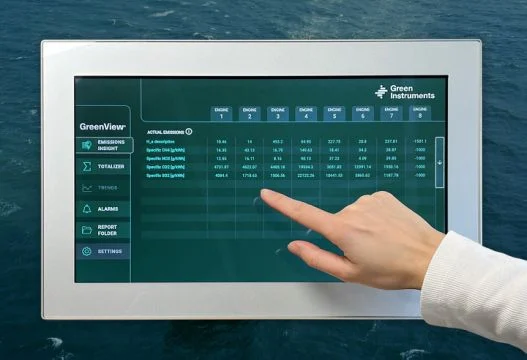
GreenView Emissions Insight

GreenView combines relevant onboard input with live emissions measurement, utilizing the carbon-balance method to provide direct access to real emissions insight – unlocking both economic benefits and a stronger commitment to climate protection.

Read more
G4130 NOx/O2 Analyzing System by Green Instruments
Product

G4130 NOx/O2 Analyzing System

The G16 Smoke Density Monitor is an advanced smoke and dust monitoring system designed to provide precise combustion data for legal and financial requirements. The compact design and use of green laser technology makes it trustworthy and useful in stacks on board vessels.

Read more
Product

G7200 Multi Gas Monitoring System

The G4130 NOx/O2 Analyzing System provides real-time measurements of NOx and O2 concentrations in exhaust gases. It is simple to install, ensures environmental compliance, and provides precise data for economical reporting requirements.

Read more
G16 Smoke Density Monitor emission monitoring device by Green Instruments
Product

G16 Smoke Density Monitor

The G16 Smoke Density Monitor is an advanced smoke and dust monitoring system designed to provide precise combustion data for legal and financial requirements. The compact design and use of green laser technology makes it trustworthy and useful in stacks on board vessels.

Read more