02/08/2024

The impact of emission monitoring in the hottest year on record

According to a recent analysis by Carbon Brief , 2024 is expected to surpass 2023 as the hottest year on record. The World Meteorological Organization (WMO) highlighted that global temperatures continue to rise, driven by significant El Niño events and record-high greenhouse gas levels. This emphasizes the urgent need for drastic reductions in emissions.

Sebastian Mernild, Denmark’s leading climate expert and a globally recognized lead author on the UN’s IPCC report, recently echoed these concerns. He stated, “As 2024 is set to become the hottest year on record, the urgency for sustainable practices in all industries, including maritime, has never been more critical.”

Embracing innovation in maritime practices

As global temperatures soar, the maritime industry must navigate increasingly stringent international environmental regulations. One essential tool for this is Continuous Emission Monitoring Systems (CEMS). These systems provide real-time data on emissions, ensuring regulatory compliance and optimizing operational efficiency. By monitoring actual emissions, rather than relying on estimates, CEMS offer precise and accurate measurements, which are crucial for meeting stringent environmental regulations and improving operational practices.

To understand the importance of CEMS in the maritime industry, it is helpful to look at how these systems assist in complying with specific international regulations:

Navigating international environmental regulations

The maritime industry operates under stringent international regulations aimed at reducing its environmental footprint. With stricter legislation being introduced, the role of emission monitoring systems has become more vital than ever. Here are a couple of examples on how CEMS can assist in complying with these regulations:

Navigating international environmental regulations

Tackling sulfur oxide emissions

IMO 2020 Sulfur Cap: The International Maritime Organization (IMO) introduced the IMO 2020 regulation, limiting sulfur content in marine fuel to 0.5%, down from the previous 3.5%. This aims to reduce sulfur oxide emissions, which cause respiratory diseases and acid rain.

CEMS Role: Continuous monitoring ensures compliance with the sulfur cap by providing real-time data on sulfur oxide emissions, helping make immediate adjustments to fuel usage and operational parameters.

Broadening the scope to include multiple greenhouse gasses

EU MRV Regulation: Initially focused on CO2 emissions from large ships, this regulation expanded on January 1, 2024, to include methane (CH4) and nitrous oxide (N2O) emissions, addressing a wider spectrum of greenhouse gases.

CEMS Role: CEMS facilitate accurate and automated data collection on CO2, methane, and nitrous oxide emissions, simplifying reporting processes and ensuring compliance with the expanded regulation.

Conclusion

Continuous Emission Monitoring Systems (CEMS) are not just tools for tracking emissions; they are essential for ensuring compliance with an increasingly complex web of international environmental regulations. By providing real-time data and detailed reports, CEMS help the maritime industry navigate these regulatory challenges effectively.

In the face of record-breaking global temperatures, as highlighted by experts like Sebastian Mernild, adopting these innovative solutions has never been more critical. Embracing CEMS technology enables the maritime industry to reduce its environmental impact, avoid penalties, and contribute to global efforts to combat climate change.
"As 2024 is set to become the hottest year on record, the urgency for sustainable practices in all industries, including maritime, has never been more critical"
G3631 Ambient Oxygen Analyzer by Green Instruments measures the content of oxygen
Product

G3631 Ambient Oxygen Analyzer

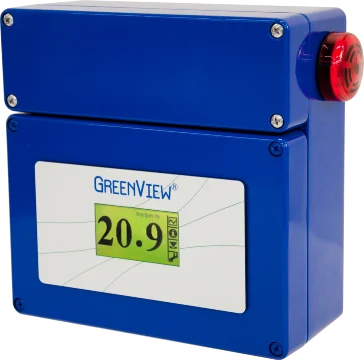
The G3631 Ambient Oxygen Analyzer measures the content of oxygen in the atmosphere in e.g. engine rooms or other places there is a need for monitoring the oxygen level. By measuring the content of oxygen, the analyzer helps minimize several risk factors.

Read more
Commercial vessel in green ocean
Product

Black Carbon Monitoring System

The G8100 is purpose-built for the demanding conditions of maritime operations. The system ensures reliable performance at sea while supporting compliance, efficiency, and environmental stewardship.

Read more
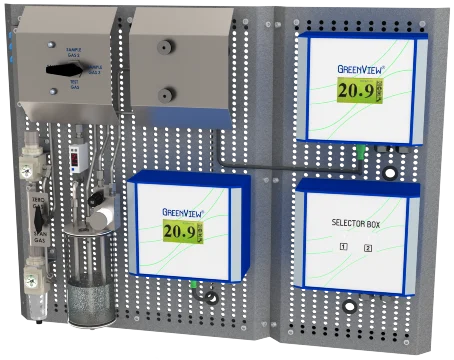
G3621 Stack Gas Oxygen Analyzing System by Green Instruments
Product

G3621 Stack Gas Oxygen Analyzing System

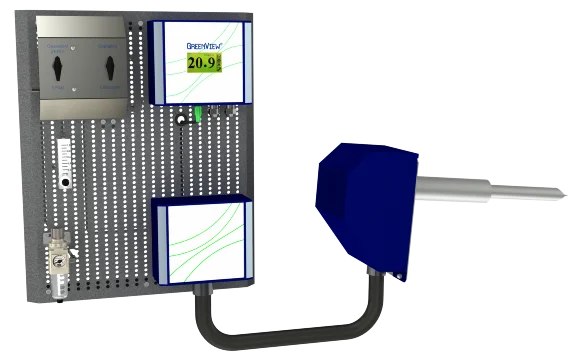
The G3621 Stack Gas Oxygen Analyzing System is developed for accurate oxygen measurements in several marine applications. It is installed directly in the stack and operates under actual exhaust gas conditions, which provides reliable and real-time data.

Read more
G3621 Inert Gas Oxygen Analyzing System by Green Instruments
Product

G360x Inert Gas Oxygen Analyzing System

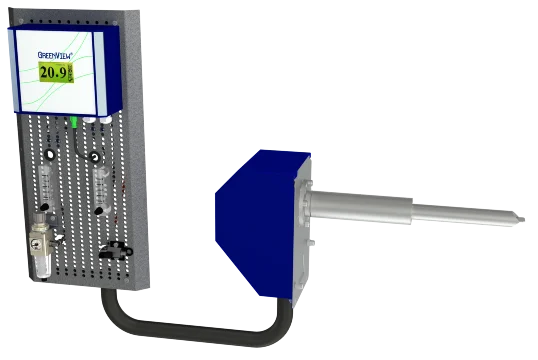
The G360x Inert Gas Monitoring System is designed for accurate gas monitoring and control. With its simple and robust design, it measures the content of oxygen in inert gas, thus preventing combustible atmospheres.

Read more
G26 Ambient Oil Mist Detector is a safety monitoring system by Green Instruments
Product

G26 Ambient Oil Mist Detector (Ex)

The G26 Ambient Oil Mist Detector is available as an ATEX/IECEx certified version. G26 Ex is designed to respond to any minor or major oil mist formation, which helps prevent subsequent hazards such as fires and explosions.

Read more
G26 Ambient Oil Mist Detector is a safety monitoring system by Green Instruments
Product

G26 Ambient Oil Mist Detector

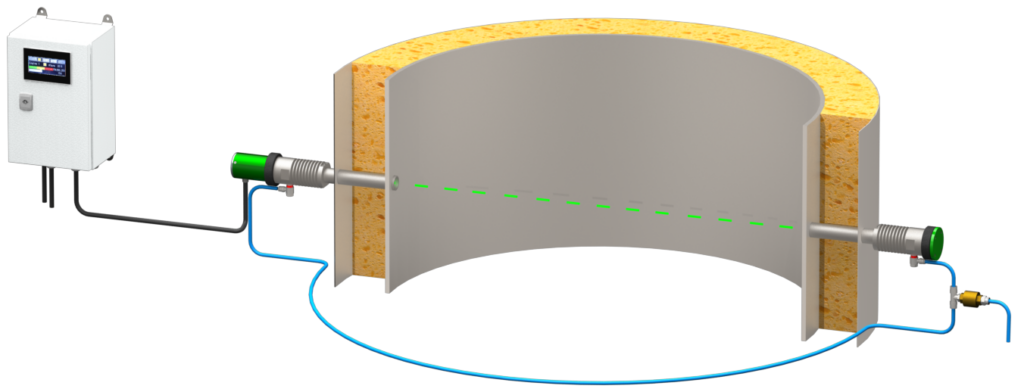
The G26 Ambient Oil Mist Detector is a reliable opacity meter designed to detect all types of oil mist in both open and narrow spaces. With its high accuracy and green laser technology, the oil mist detector helps avoid fires and thereby protects lives, the environment, and assets.

Read more
G6200 Water Monitoring System_WMS by Green Instruments
Product

G6200 Water Monitoring System

The G6200 Water Monitoring System is designed for continuous in-situ water monitoring and provides reliable and highly accurate measurements for exhaust gas cleaning. It has a robust design, is simple to install, and covers a broad temperature range, pressure, and flow.

Read more
GreenView Emissions Insight is a live emissions measurement system by Green Instruments
Product

GreenView Emissions Insight

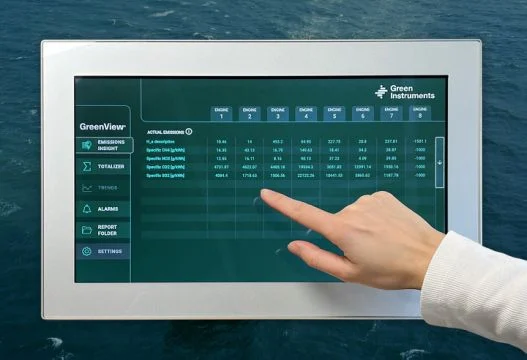
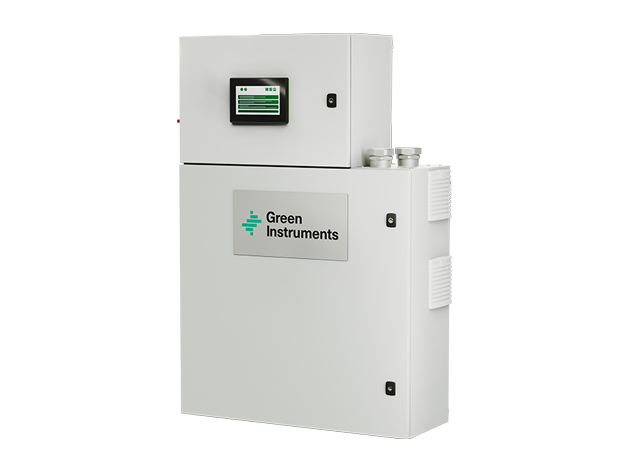
GreenView combines relevant onboard input with live emissions measurement, utilizing the carbon-balance method to provide direct access to real emissions insight – unlocking both economic benefits and a stronger commitment to climate protection.

Read more
G4130 NOx/O2 Analyzing System by Green Instruments
Product

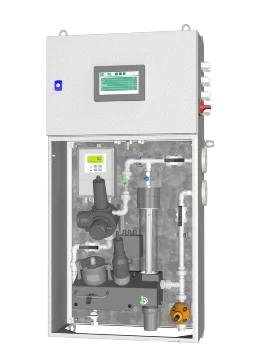
G4130 NOx/O2 Analyzing System

The G16 Smoke Density Monitor is an advanced smoke and dust monitoring system designed to provide precise combustion data for legal and financial requirements. The compact design and use of green laser technology makes it trustworthy and useful in stacks on board vessels.

Read more
Product

G7200 Multi Gas Monitoring System

The G4130 NOx/O2 Analyzing System provides real-time measurements of NOx and O2 concentrations in exhaust gases. It is simple to install, ensures environmental compliance, and provides precise data for economical reporting requirements.

Read more
G16 Smoke Density Monitor emission monitoring device by Green Instruments
Product

G16 Smoke Density Monitor

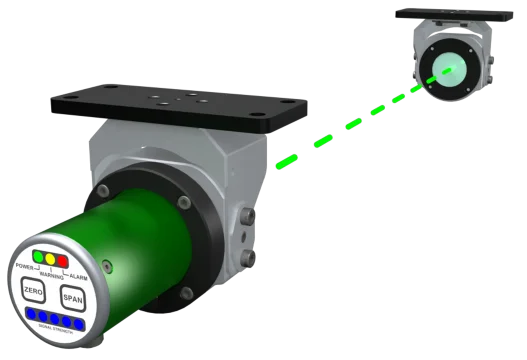
The G16 Smoke Density Monitor is an advanced smoke and dust monitoring system designed to provide precise combustion data for legal and financial requirements. The compact design and use of green laser technology makes it trustworthy and useful in stacks on board vessels.

Read more