23/10/2023

The essential role of safety in maritime operations

In the world of shipping, success isn’t just about making money and being efficient. It’s about keeping things safe and being ready for any risks.

A tragic reminder of safety’s importance

The necessity for improved safety became undeniably clear in 1947 with a heart-wrenching incident on the ship named Reina del Pacifico. Due to an oversight, an oil mist explosion—caused by inadequate lubrication—took 28 innocent lives.

After the tragic event and other similar incidents, a growing emphasis was put on maritime safety and the International Maritime Consultancy Organization (IMCO) was established to bolster maritime safety. In 1982, it was renamed the International Maritime Organization (IMO). Over the years, the IMO has played a crucial role in shaping safety protocols for vessels. Notably, it endorsed the International Convention for the Safety of Life at Sea (SOLAS), a key treaty prioritizing merchant ship safety, which among others emphasizes the importance of oil mist detection in the context of machinery operation and fire prevention on ships.

The critical role of SOLAS 

As highlighted in the SOLAS Convention, under Chapter II-1, the machinery and electrical installations’ integrity is crucial for maintaining essential services during emergencies. Furthermore, Chapter II-2 underscores the imperative of fire protection and the need to prevent and detect potential fire hazards promptly. One of the primary causes of engine room fires is the ignition of oil mist. By monitoring and identifying elevated levels of oil mist in machinery spaces, oil mist detectors serve as an early warning system. This allows the crew to address machinery faults and prevent potential fire hazards, ensuring the safety of both the vessel and its occupants.

Icon illustrating a hand and a heart with persons inside

Current challenges and the way ahead

Between 2017 and 2021, the maritime industry faced a concerning trend: the average annual rate of engine room fires stood at 0.13%, equating to 13 occurrences for every 10,000 vessels, as reported by Gard. A growing concern within the maritime industry is the noticeable upward trend in both main and auxiliary engine fires, with passenger and container ships experiencing the highest incidence rates—almost double the Gard 5-year average. In terms of global fleet impact, this equates to approximately 163 ships enduring engine room fires annually, based on reported figures. However, rumors persist, suggesting that actual numbers could be significantly higher, potentially three times the reported figures.

Safety: Beyond monetary concerns

When challenges arise at sea, it isn’t just the financial aspects that are at stake. The crew and passengers’ safety and well-being are paramount. A severe safety mishap resonates throughout the shipping industry. It can unsettle workers, tarnish the sector’s reputation, instigate legal battles, inflate insurance premiums, and shake the trust of partners and customers.

Safety and success: Key Factors in Maritime Operations

Shipping isn’t just about big ships moving across oceans. It’s about people’s hard work and dedication. Top players in the industry know that you can’t have real success without solid safety measures.

  • Prioritizing people: Always put safety first
     
  • Ensuring smooth operations: Tackling potential challenges head-on leads to efficient trips and operations
    ​
  • Earning trust: A history of safety is attractive to clients and builds a strong reputation

​In Closing…​

In the maritime industry, safety is crucial, not just a mere requirement. As the sector progresses, companies focusing on safety will protect their assets and set standards for others. These efforts, along with advancements like oil mist detectors, play a vital role in preventing potential maritime disasters
"Given its substantial investments and global reach, the maritime industry understands that even small problems can have big impacts. That's why safety isn't just the right thing to do - it's foundational for a company's reputation and its enduring success"
G3631 Ambient Oxygen Analyzer by Green Instruments measures the content of oxygen
Product

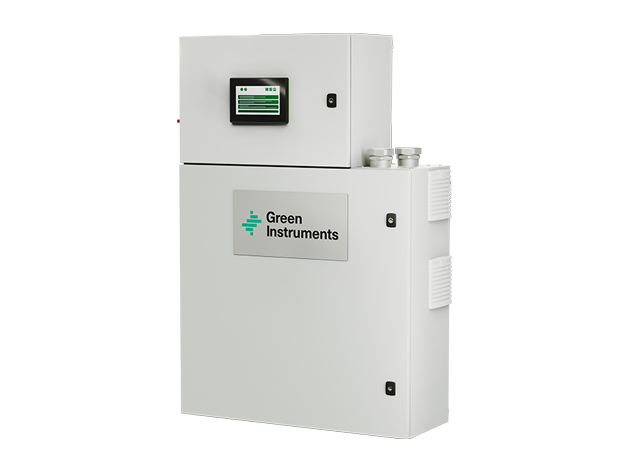
G3631 Ambient Oxygen Analyzer

The G3631 Ambient Oxygen Analyzer measures the content of oxygen in the atmosphere in e.g. engine rooms or other places there is a need for monitoring the oxygen level. By measuring the content of oxygen, the analyzer helps minimize several risk factors.

Read more
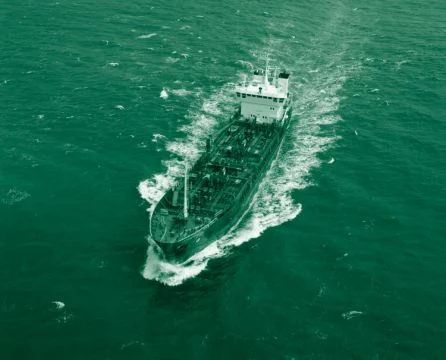
Commercial vessel in green ocean
Product

Black Carbon Monitoring System

The G8100 is purpose-built for the demanding conditions of maritime operations. The system ensures reliable performance at sea while supporting compliance, efficiency, and environmental stewardship.

Read more
G3621 Stack Gas Oxygen Analyzing System by Green Instruments
Product

G3621 Stack Gas Oxygen Analyzing System

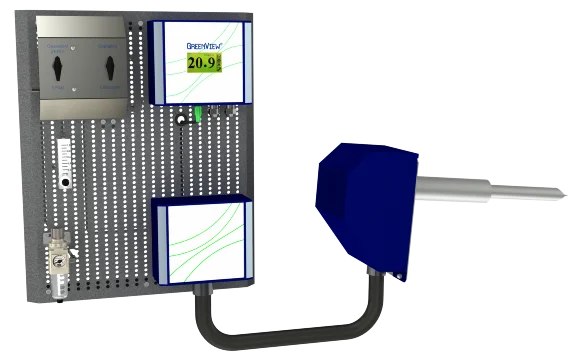
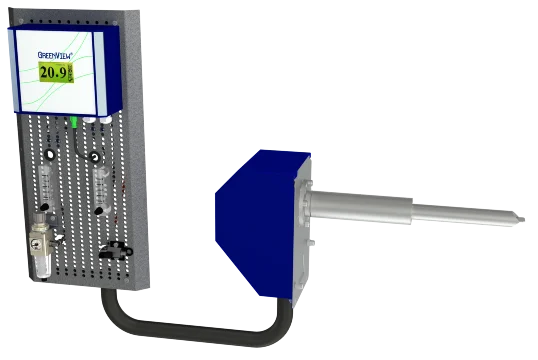
The G3621 Stack Gas Oxygen Analyzing System is developed for accurate oxygen measurements in several marine applications. It is installed directly in the stack and operates under actual exhaust gas conditions, which provides reliable and real-time data.

Read more
G3621 Inert Gas Oxygen Analyzing System by Green Instruments
Product

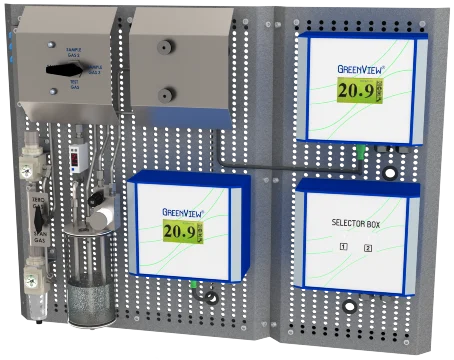
G360x Inert Gas Oxygen Analyzing System

The G360x Inert Gas Monitoring System is designed for accurate gas monitoring and control. With its simple and robust design, it measures the content of oxygen in inert gas, thus preventing combustible atmospheres.

Read more
G26 Ambient Oil Mist Detector is a safety monitoring system by Green Instruments
Product

G26 Ambient Oil Mist Detector (Ex)

The G26 Ambient Oil Mist Detector is available as an ATEX/IECEx certified version. G26 Ex is designed to respond to any minor or major oil mist formation, which helps prevent subsequent hazards such as fires and explosions.

Read more
G26 Ambient Oil Mist Detector is a safety monitoring system by Green Instruments
Product

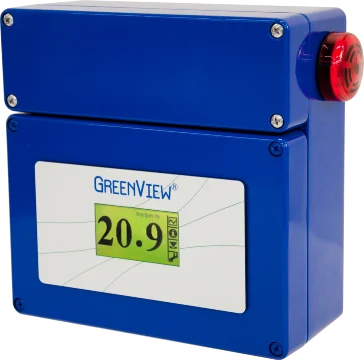
G26 Ambient Oil Mist Detector

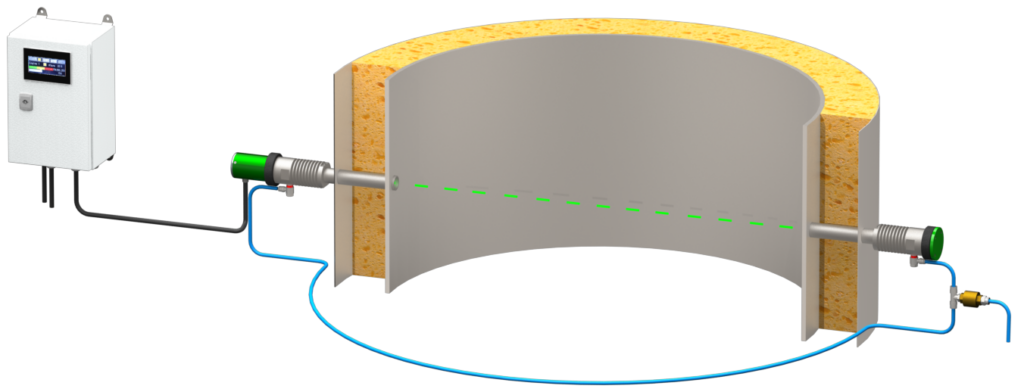
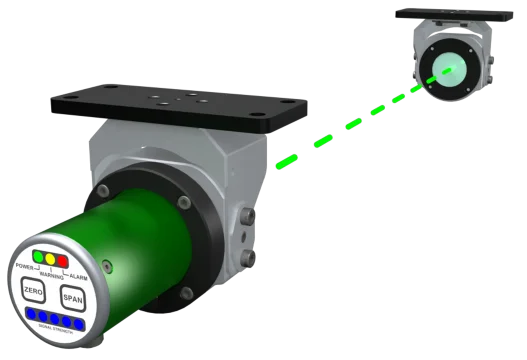
The G26 Ambient Oil Mist Detector is a reliable opacity meter designed to detect all types of oil mist in both open and narrow spaces. With its high accuracy and green laser technology, the oil mist detector helps avoid fires and thereby protects lives, the environment, and assets.

Read more
G6200 Water Monitoring System_WMS by Green Instruments
Product

G6200 Water Monitoring System

The G6200 Water Monitoring System is designed for continuous in-situ water monitoring and provides reliable and highly accurate measurements for exhaust gas cleaning. It has a robust design, is simple to install, and covers a broad temperature range, pressure, and flow.

Read more
GreenView Emissions Insight is a live emissions measurement system by Green Instruments
Product

GreenView Emissions Insight

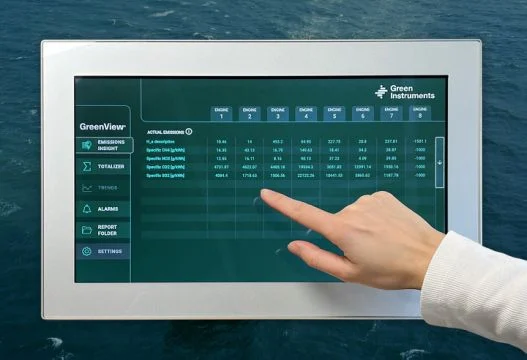
GreenView combines relevant onboard input with live emissions measurement, utilizing the carbon-balance method to provide direct access to real emissions insight – unlocking both economic benefits and a stronger commitment to climate protection.

Read more
G4130 NOx/O2 Analyzing System by Green Instruments
Product

G4130 NOx/O2 Analyzing System

The G16 Smoke Density Monitor is an advanced smoke and dust monitoring system designed to provide precise combustion data for legal and financial requirements. The compact design and use of green laser technology makes it trustworthy and useful in stacks on board vessels.

Read more
Product

G7200 Multi Gas Monitoring System

The G4130 NOx/O2 Analyzing System provides real-time measurements of NOx and O2 concentrations in exhaust gases. It is simple to install, ensures environmental compliance, and provides precise data for economical reporting requirements.

Read more
G16 Smoke Density Monitor emission monitoring device by Green Instruments
Product

G16 Smoke Density Monitor

The G16 Smoke Density Monitor is an advanced smoke and dust monitoring system designed to provide precise combustion data for legal and financial requirements. The compact design and use of green laser technology makes it trustworthy and useful in stacks on board vessels.

Read more